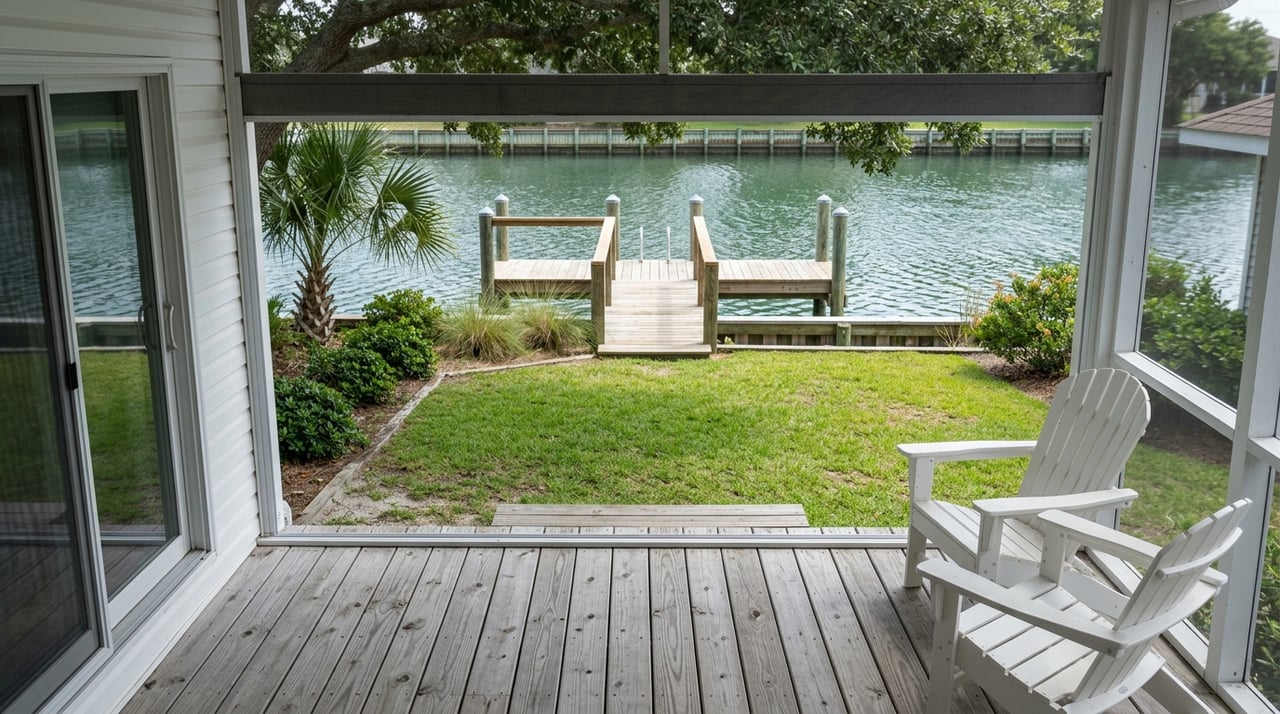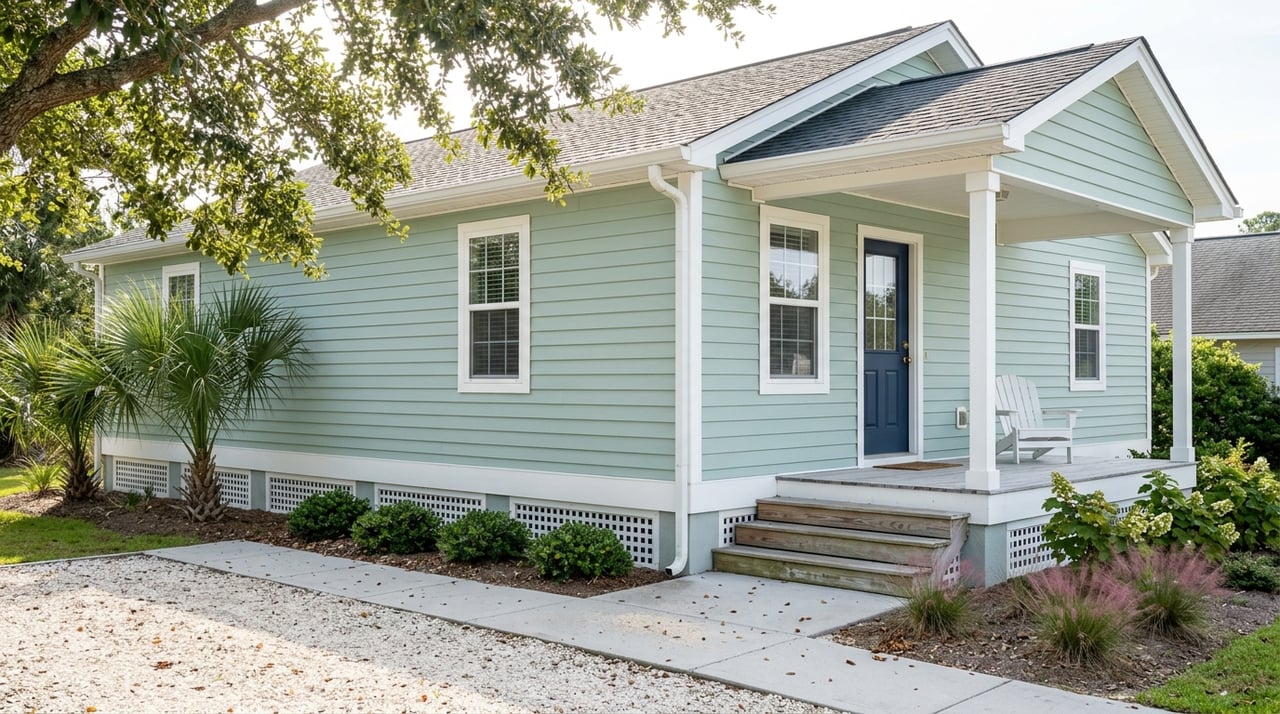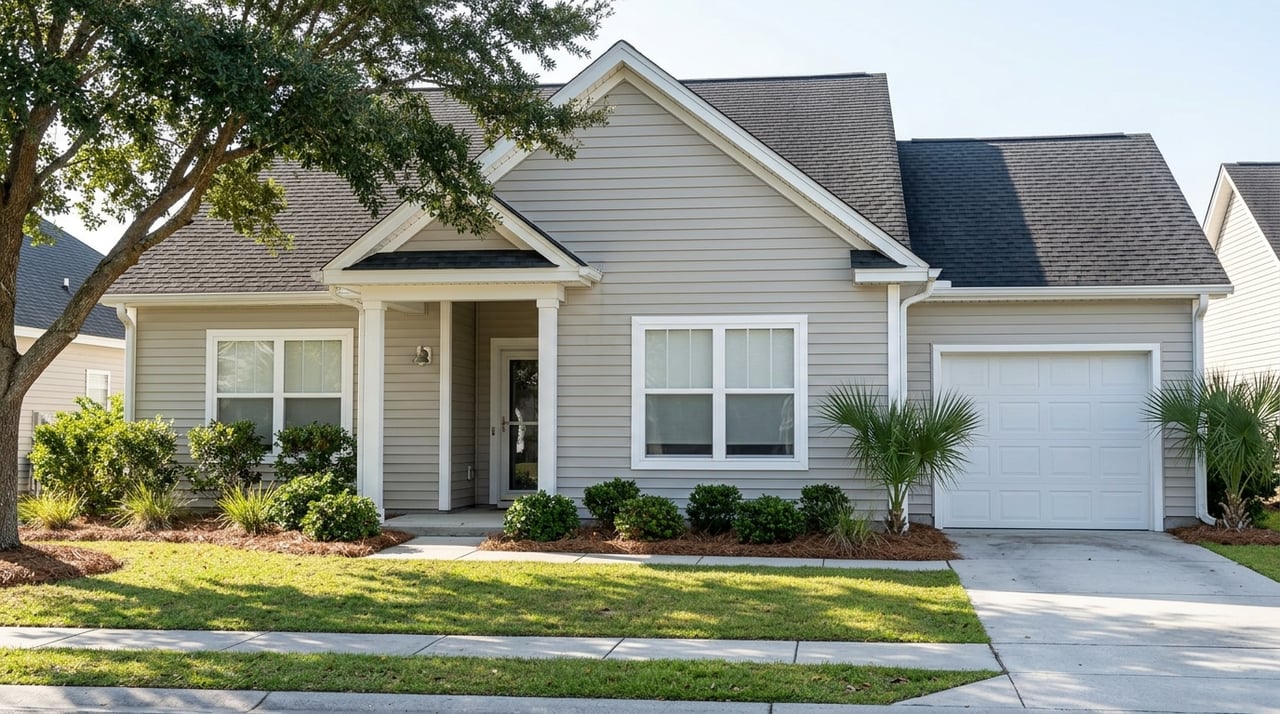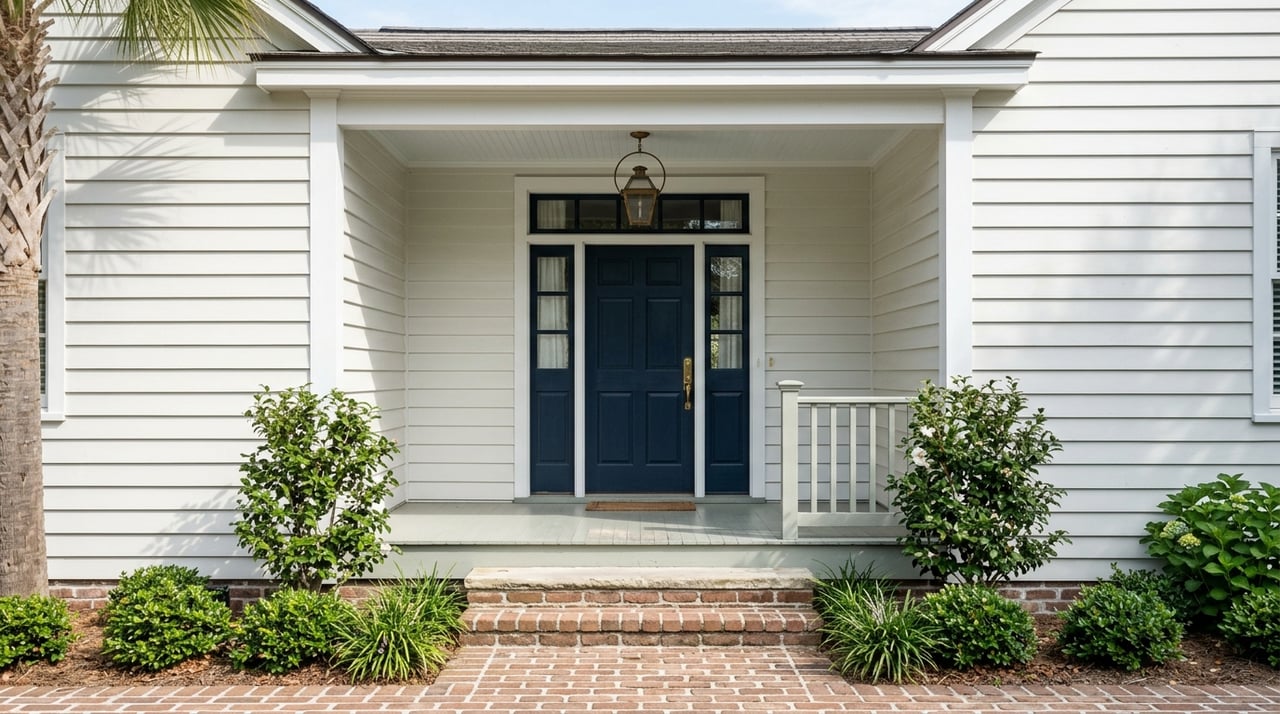
Thinking about selling a historic home in Beaufort? You are not just selling square footage or a coastal address. You are selling character, craftsmanship, and a property that may come with extra rules, extra questions, and extra opportunities to stand out. If you prepare the right way, you can reduce surprises, build buyer confidence, and position your home more effectively in today’s market. Let’s dive in.
Know Which Historic District Matters
One of the first things buyers will want to know is whether your home is in Beaufort’s locally regulated historic district. That matters because Beaufort has both a National Register historic district and a local historic district, and they are not the same thing.
The local historic district is the one with Town review authority. It covers about a 12-block area, including part of Taylor’s Creek, and works like an overlay zoning tool. If your property is inside that district, future exterior changes may require Town approval.
This distinction is important when you market your home. A buyer may hear “historic district” and assume broad restrictions apply, but National Register listing alone does not create local regulation. Clear, accurate information can help prevent confusion early.
Understand What Buyers May Ask
Historic homes tend to bring more detailed buyer questions than newer properties. In Beaufort, those questions often center on what has been preserved, what has been changed, and whether the proper approvals were obtained.
You can expect buyers to ask things like:
- Is the home in the local historic district?
- What exterior features are regulated?
- Can windows, siding, or porch details be changed later?
- Are prior approvals or permits available?
- Will historic district status affect property taxes?
A helpful point to clarify is that local historic district designation does not affect local property taxes. It does, however, affect what a future owner may be allowed to do to the exterior.
Focus on Preservation Before Listing
If your home is in Beaufort’s local historic district, it is wise to think carefully before making visible exterior changes. The Town’s preservation guidance generally favors repair over replacement, especially for original materials and defining features.
For example, original wood siding and trim are meant to be preserved when possible. Vinyl and aluminum siding are not considered appropriate on visible elevations, while substitute materials such as fiber-cement may be considered on a case-by-case basis, especially in less visible areas.
Windows and doors also deserve extra attention. The guidance says original or significant later windows and doors should usually be repaired rather than replaced, and storm windows can be used to improve efficiency.
Porches matter too. In Beaufort, porches are a major part of local architectural character, so changes to columns, balustrades, enclosures, or other visible porch elements can raise concerns for both buyers and reviewers.
Avoid Last-Minute Exterior Projects
A rushed pre-listing project can create more problems than it solves. Before starting exterior work, confirm whether it needs a Certificate of Appropriateness, often called a COA, or qualifies as minor work.
In Beaufort’s historic district, a pre-application is required for projects over $10,000 and for all new construction. Once issued, a COA remains valid for six months. The process also requires photos of existing conditions and a description of the proposed changes.
That means your best move may be to document existing work instead of jumping into cosmetic updates that could complicate the sale. In many cases, preserved original features and a clean paper trail are more valuable than unnecessary replacement work.
Gather Records Before You Go Live
Historic-home buyers often feel more comfortable when the seller is organized. Before listing, gather anything that helps explain the home’s condition, maintenance history, and approval history.
Useful records may include:
- Prior COAs or Town approvals
- Building permits for completed work
- Invoices for repairs or restoration
- Roof, HVAC, plumbing, or electrical service records
- Notes about moisture control or structural repairs
- Any available reports related to lead-based paint or other environmental items
When buyers can see that improvements were handled carefully, the home often feels less uncertain. That confidence can matter in a market where pricing and negotiation require a thoughtful strategy.
Prepare for Disclosure Questions
North Carolina’s Residential Property Disclosure Act applies to most one-to-four-unit residential sales. Sellers must provide the disclosure statement no later than the time a buyer makes an offer.
If the disclosure is not delivered before or at the time of the offer, the buyer may have a statutory right to cancel within the allowed window. For that reason alone, it pays to prepare early.
For an older Beaufort home, buyers are likely to pay close attention to details on the disclosure form. The state form covers items such as the roof, chimneys, floors, foundation, basement, plumbing, electrical, heating and cooling systems, wood-destroying insects, zoning and land-use restrictions, and environmental conditions.
Historic homes often draw especially close review of:
- Roof age and condition
- Foundation or settlement concerns
- Moisture issues
- Plumbing and electrical updates
- Heating and cooling systems
- Wood-destroying insects
- Prior alterations or unpermitted work
If you learn that a disclosure becomes materially inaccurate after delivery, North Carolina law requires you to correct it promptly. That is one reason pre-listing inspections and organized records can be so helpful.
Expect Lead Paint Questions
If your home was built before 1978, federal lead-based paint disclosure rules will likely apply. Sellers must disclose known information, provide available records and reports, include the required lead hazard pamphlet, and give buyers a 10-day opportunity for inspection or risk assessment.
This is especially relevant for older housing. According to the EPA, older homes are more likely to contain some lead-based paint, particularly homes built before 1940.
You do not need to create fear around this issue. You do need to be prepared, accurate, and organized. Buyers usually respond better when they receive clear documentation and practical information rather than vague answers.
Price for Today’s Beaufort Market
Even a special historic home still has to meet the market. Recent Beaufort market snapshots suggest a slower, more negotiable environment than a fast seller’s market, which makes realistic pricing especially important.
Redfin reported a median sale price of $485,000 for the three months ending May 2026, with a median of 73 days to sell. Realtor.com reported a median listing price of $536,000, 308 homes for sale, a 97% sale-to-list ratio, and a buyer’s market in May 2026.
These sources use different metrics, but they point in the same general direction. Buyers may have more room to compare options, ask detailed questions, and negotiate.
That does not mean your historic home cannot stand out. It means charm alone may not carry the sale. Buyers are often more responsive when historic character is paired with visible upkeep, documented approvals, and evidence that major systems have been maintained.
Market Character and Compliance
A strong listing for a historic Beaufort home usually tells two stories at once. The first is the story of character: porches, original trim, period details, and the setting that makes the property memorable.
The second is the story of compliance and care. Buyers want to know that exterior work was handled thoughtfully, that disclosures are complete, and that the home has been maintained with attention to both appearance and function.
This is where polished presentation and careful transaction management can make a real difference. Clear photography, smart staging, accurate property information, and organized supporting records help buyers see both the beauty and the practicality of the home.
What To Expect as a Seller
If you are selling a historic home in Beaufort, expect the process to be a little more detailed than a typical resale. You may spend more time gathering records, answering questions about exterior features, and explaining the difference between historic designations.
You should also expect buyers to look closely at maintenance, approvals, and systems. That is normal, not a red flag. With the right preparation, those conversations can become part of what builds trust in your listing.
The goal is not to make your home feel complicated. The goal is to make it feel well understood, well presented, and ready for its next owner.
If you are getting ready to sell a historic Beaufort property, working with an agent who understands local market conditions, buyer expectations, and the importance of clean documentation can make the process feel much more manageable. When you want thoughtful guidance, polished marketing, and careful attention to detail, connect with Linda Folger.
FAQs
What makes selling a historic home in Beaufort different?
- Selling a historic home in Beaufort often involves extra attention to local historic district status, exterior approval history, preserved features, disclosures, and buyer questions about older systems.
What is the difference between Beaufort’s local and National Register historic districts?
- Beaufort’s local historic district has Town review authority for certain exterior changes, while National Register listing by itself does not create local regulation.
What exterior changes may require approval in Beaufort’s local historic district?
- In Beaufort’s local historic district, exterior changes, new construction, relocation, demolition, and signs may require a Certificate of Appropriateness.
What should sellers of older homes disclose in North Carolina?
- In North Carolina, sellers generally must provide a residential property disclosure statement covering items such as the roof, foundation, major systems, wood-destroying insects, zoning or land-use restrictions, and environmental conditions.
What lead paint rules apply when selling an older Beaufort home?
- For most homes built before 1978, sellers must disclose known lead-based paint information, provide available records and reports, include the required pamphlet, and allow buyers a 10-day opportunity for inspection or risk assessment.
How should a historic home in Beaufort be priced today?
- A historic home in Beaufort should be priced with current local conditions in mind, especially since recent market snapshots point to a slower, more negotiable environment where buyers may compare options more carefully.