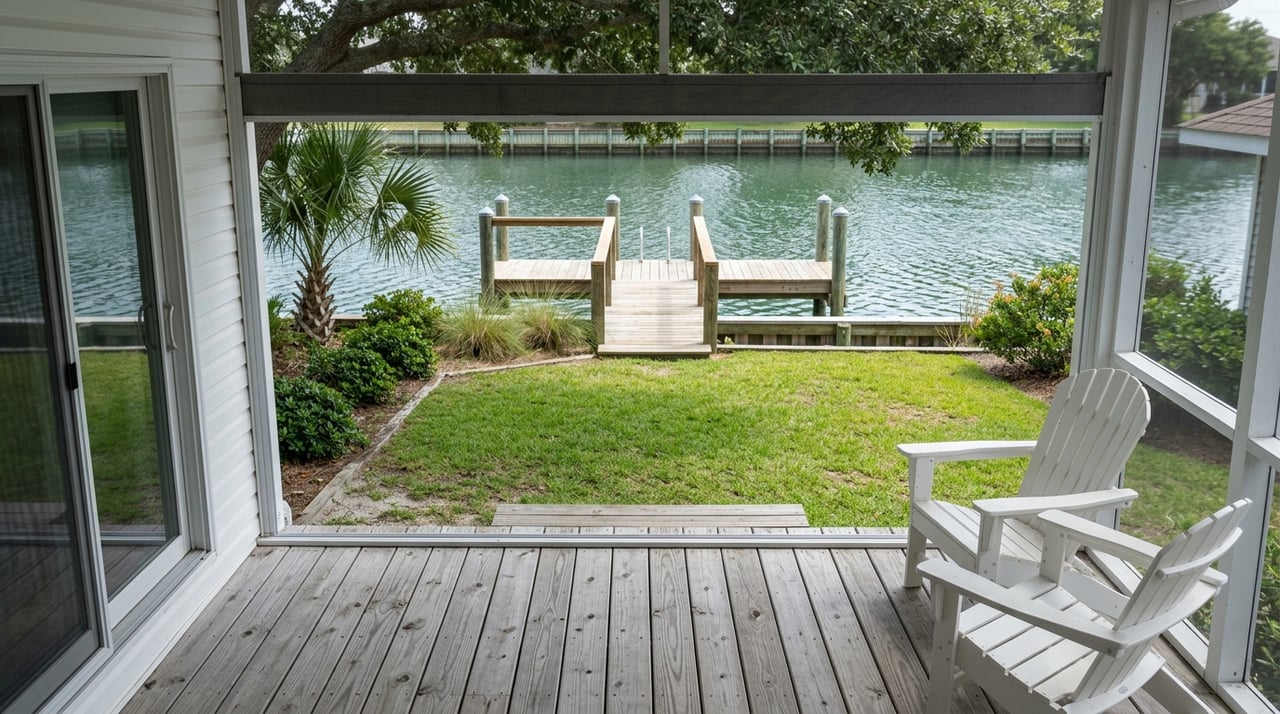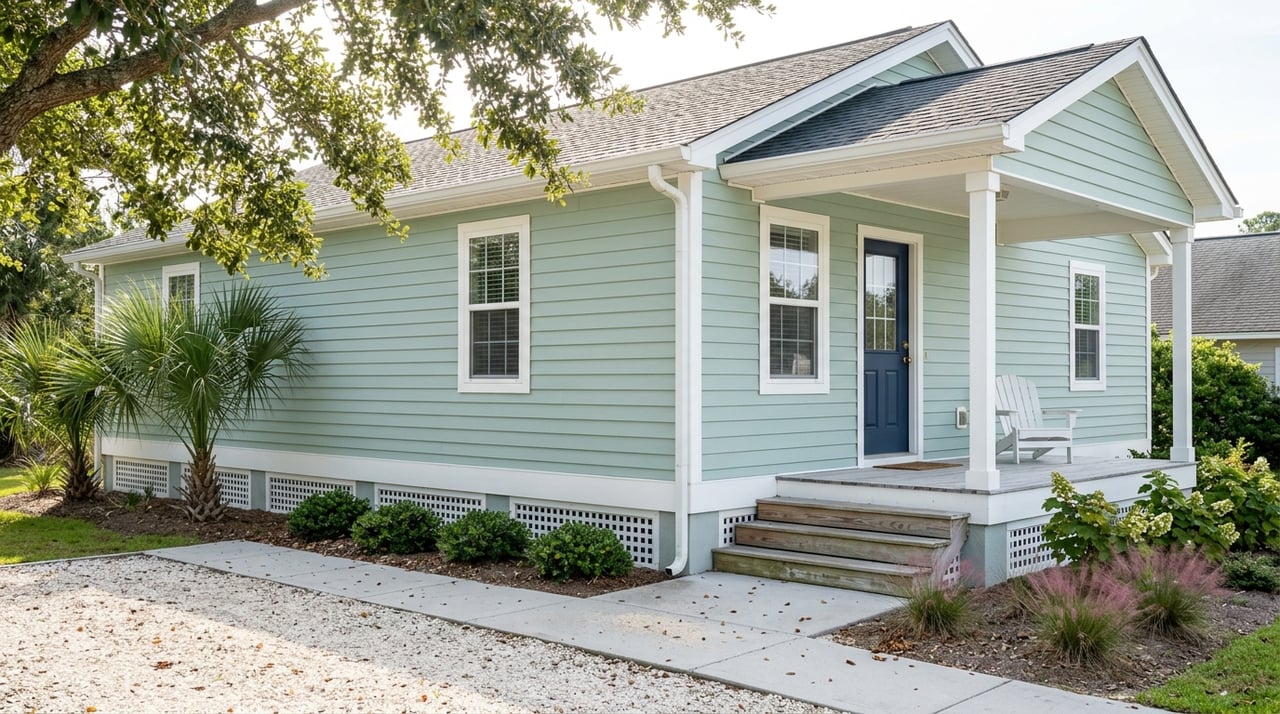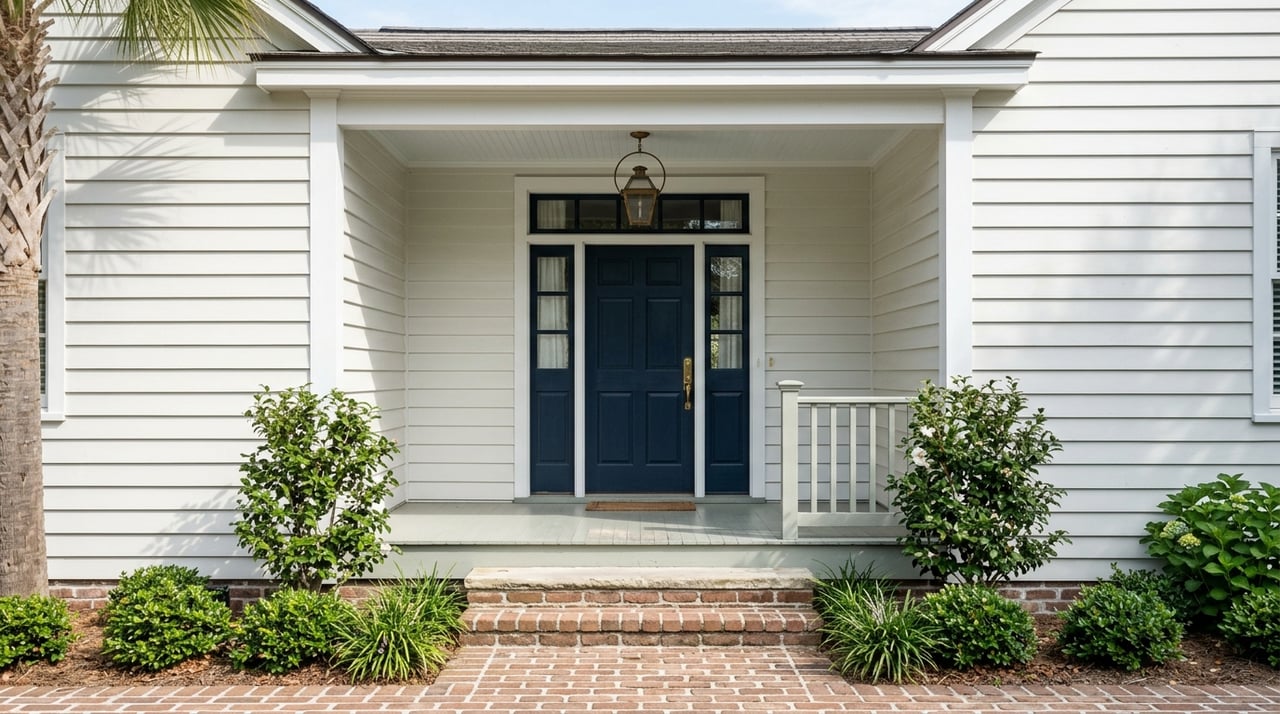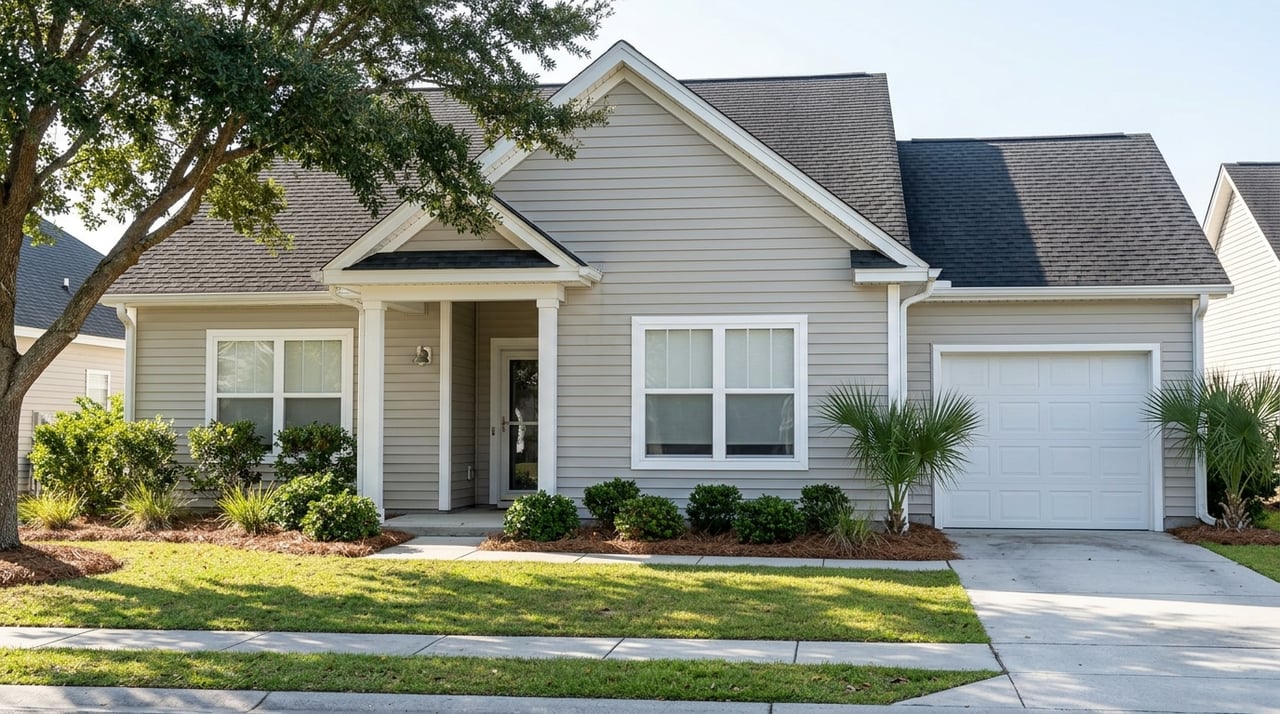
If you picture coastal living as a choice between a vacation vibe and real everyday convenience, Morehead City offers a refreshing middle ground. You may want water access, walkable spots, and a neighborhood that still works for errands, appointments, and daily routines. The good news is that Morehead City’s planning framework and civic layout show a place built for year-round life, not just weekend visits. Let’s dive in.
Why Morehead City Works Year-Round
Morehead City’s planning approach helps explain why it appeals to full-time residents. The city organizes growth around goals like moving with ease, cultivating new opportunities, and living with water, while dividing the community into distinct planning areas such as Downtown, Midtown, Southwest, Country Club East, Country Club West, and East.
That matters if you are trying to choose a neighborhood based on how you actually live. Instead of one single lifestyle across town, Morehead City offers different settings for walkability, residential rhythm, waterfront access, and day-to-day convenience.
Downtown for Walkable Waterfront Living
If you want everyday life to feel connected to the water, Downtown Morehead City stands out. The downtown district highlights local seafood dining, shopping, public art, annual events, playgrounds, public water access points, ferries and charters, plus a public boat ramp on 10th Street.
Downtown also sits along Bogue Sound, the Newport River, and Calico Creek, which gives the area a strong waterfront identity. For many buyers, that creates the kind of setting where a quick walk, a view of the water, or access to a dock can become part of your normal routine.
The practical side is just as important. The city notes that the Morehead City Docks at 807 Shepard Street are within walking distance of banks, churches, restaurants, the post office, shops, and the Webb Library.
That combination makes downtown more than a destination. It can function as a true home base if you value being close to services and enjoy a more active, amenity-rich setting.
Who Downtown May Suit Best
Downtown may be a strong fit if you are looking for:
- Walkability for dining, shops, and errands
- Easy public water access
- A lively waterfront atmosphere throughout the year
- A location where events and public spaces are part of daily life
If your goal is to step outside and feel connected to the heart of town, downtown deserves a close look.
Midtown for Everyday Convenience
For buyers focused on daily logistics, Midtown is one of the most practical areas to consider. City planning documents describe Midtown as a place that should preserve existing neighborhoods and residential character while keeping commercial uses along Arendell and Bridges Streets, public access to water, and a mix of housing types.
The same planning guidance supports walkability, bikeability, redevelopment potential, and a broader mix of business, governmental, educational, and medical uses. In simple terms, Midtown blends residential streets with many of the places people need during the week.
This area also includes major civic and institutional anchors along Arendell Street. Carteret Health Care is located at 3500 Arendell Street, and Carteret Community College is at 3505 Arendell Street.
That concentration of services helps explain why Midtown often feels like the most convenient year-round home base. If you want to stay connected to the city’s main corridor while keeping daily needs close, Midtown offers a strong balance.
Why Midtown Stands Out
Midtown may appeal to you if you want:
- Quick access to medical services and community resources
- A location along key commercial corridors
- A mix of residential and everyday-use spaces
- A neighborhood setting tied closely to cross-town convenience
For many full-time residents, convenience shapes quality of life just as much as views or proximity to the water.
Country Club Areas for Residential Rhythm
The Country Club corridor, including Country Club East and Country Club West, reads as a more residential part of Morehead City. City planning materials and pedestrian planning references show Country Club Road and nearby streets such as Forest Hills Avenue, Crab Point Loop Road, and Swinson Park Road as part of the city’s residential circulation network.
This area appears less centered on a dense waterfront core and more focused on established neighborhood patterns with local access to daily routes. That can be appealing if you prefer a quieter pace while still staying connected to the rest of town.
Country Club East has additional planning guidance that emphasizes preserving existing neighborhoods, residential character, water views, and environmentally sensitive land. The city also points to future development potential, neighborhood-oriented uses, and improved connectivity to local amenities.
A separate city case involving North 20th Street described surrounding land uses such as single-family dwellings, a future subdivision, and wooded or agricultural parcels. Together, those details reinforce the area’s residential feel.
What to Expect in the Country Club Corridor
You may want to explore this part of Morehead City if you value:
- Established residential surroundings
- A more neighborhood-scale pace
- Local access without a busy downtown setting
- Potential proximity to water views in some areas
For buyers who want everyday coastal living to feel calm and rooted, this corridor can be a strong option.
East for a Working-Waterfront Feel
The East planning area has a different identity from downtown. City materials emphasize preserving port operations, access to the Newport River Pier and Boat Ramp, environmentally sensitive land, and buffers between residential and non-residential uses.
The same planning guidance also supports stormwater considerations and port-related economic growth. That gives East a stronger working-waterfront and port-facing character than the more walkable downtown district.
If you are drawn to the practical side of a coastal city, this area may stand out. It reflects the fact that Morehead City is not only scenic but also shaped by real maritime activity and waterfront infrastructure.
Southwest for Residential Transition
Southwest offers another version of everyday living in Morehead City. According to city planning documents, this area is intended to preserve existing neighborhoods, residential character, and traffic flow along US 70, while also allowing people-focused uses, mixed-use where appropriate, multifamily where appropriate, and new connections between US 70 and NC 24.
That makes Southwest useful to think of as a residential transition area. It may not deliver the same walkable waterfront feel as downtown, but it is still part of the city’s broader year-round living pattern.
For some buyers, that is a plus. You may prefer a location that keeps you plugged into major routes and local growth patterns without placing you in the center of the busiest waterfront activity.
Arendell Street Shapes Daily Life
One of the biggest factors in Morehead City living is Arendell Street. The city history page notes that Arendell Street became the main street of downtown Morehead City and later North Carolina Highway 70.
That history still matters today because Arendell and US 70 remain central to how people move through town. Commutes, errands, appointments, and access to services often revolve around this corridor.
If you are comparing neighborhoods, it helps to think beyond the map. Consider how often you want to be near the main route through town, and how much you value quick cross-town access versus a more tucked-away residential setting.
Boating Is Part of Daily Living
In Morehead City, boating is woven into the lifestyle in a practical way. The official city docks are on the waterfront, the Morehead City Yacht Basin is downtown at 208 Arendell Street, and 70 West Marina is at 4401 Arendell Street with frontage on Highway 70 West and Pelletier Creek just off the Intracoastal Waterway.
For buyers who want regular access to slips, ramps, or marinas, that matters. It supports the idea that water access here is not only recreational but also part of the city’s everyday identity.
When you are choosing where to live, it is worth thinking about how often you plan to use the water. Some neighborhoods place you closer to a walkable waterfront experience, while others may better support a drive-to-marina routine.
How to Choose the Right Area
The best Morehead City neighborhood for you depends on how you want your normal week to feel. Some buyers care most about walking to dining and waterfront spots, while others want easier access to medical services, main roads, or a more residential street pattern.
A simple way to narrow your search is to rank your top priorities:
- Walkability versus quieter residential surroundings
- Waterfront atmosphere versus everyday convenience
- Marina and boat access versus cross-town commuting ease
- Mixed-use energy versus neighborhood-scale rhythm
When you look at Morehead City through that lens, the neighborhood choices become much clearer. Downtown, Midtown, the Country Club areas, East, and Southwest each support a different version of coastal living.
Why Local Guidance Matters
Neighborhood choices in a coastal market often look similar on paper, but they can feel very different once you understand the roads, water access points, and day-to-day patterns. That is especially true in a place like Morehead City, where the balance between waterfront lifestyle and everyday function is part of what makes the city so appealing.
Working with someone who knows the Crystal Coast at the neighborhood level can help you focus on the right fit from the start. Whether you are relocating full-time, downsizing, or planning a move closer to the water, clarity around lifestyle fit can save you time and reduce stress.
If you are thinking about buying or selling along the Crystal Coast, Linda Folger offers thoughtful local guidance, hands-on support, and the kind of neighborhood insight that helps you move forward with confidence.
FAQs
Which Morehead City area is best for walkable coastal living?
- Downtown Morehead City is the strongest fit for walkable coastal living because it combines waterfront access, dining, shops, events, public spaces, and nearby daily services.
Which Morehead City neighborhood is best for everyday convenience?
- Midtown is often the most practical choice for everyday convenience because it connects residential areas with Arendell Street, medical services, community resources, and mixed-use corridors.
What is the Country Club area like in Morehead City?
- The Country Club corridor is generally a more residential part of Morehead City with established neighborhood patterns, local road access, and a quieter day-to-day feel than downtown.
What makes East Morehead City different from Downtown Morehead City?
- East Morehead City has a stronger working-waterfront and port-oriented character, while Downtown Morehead City is more centered on walkability, amenities, and a waterfront district experience.
Is Morehead City a good place for full-time coastal living?
- Morehead City supports full-time coastal living through its mix of waterfront access, residential neighborhoods, civic services, marina infrastructure, and everyday transportation corridors.