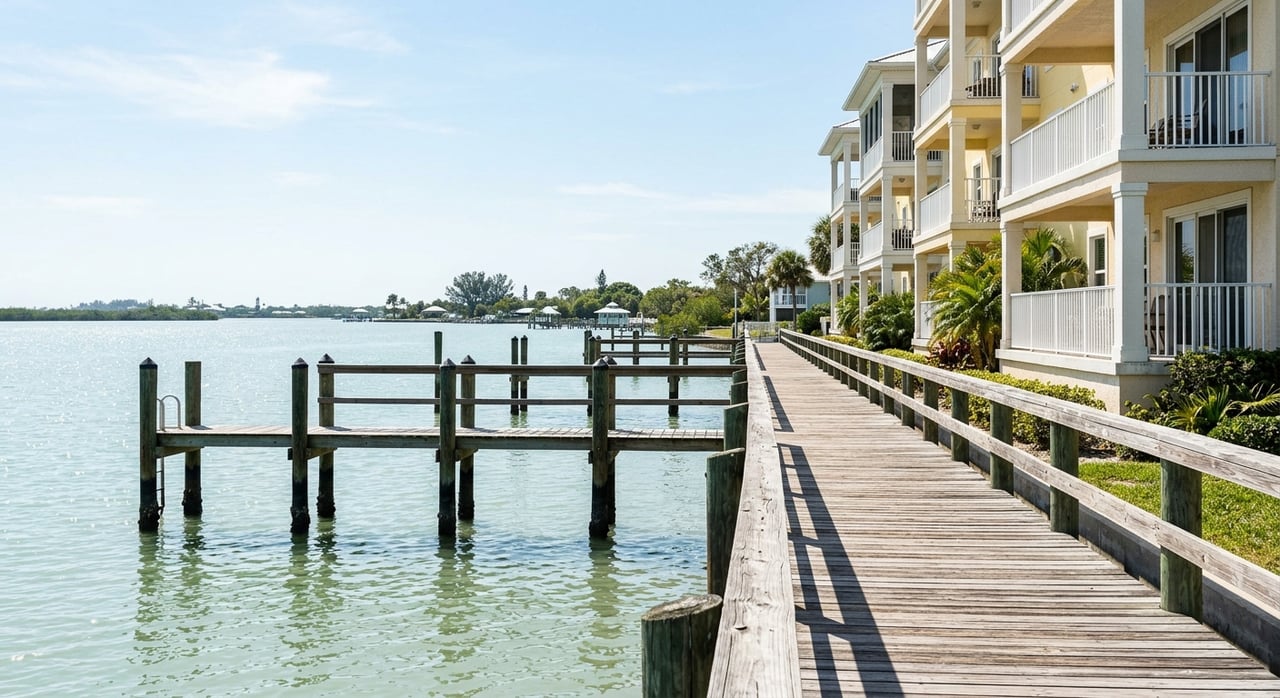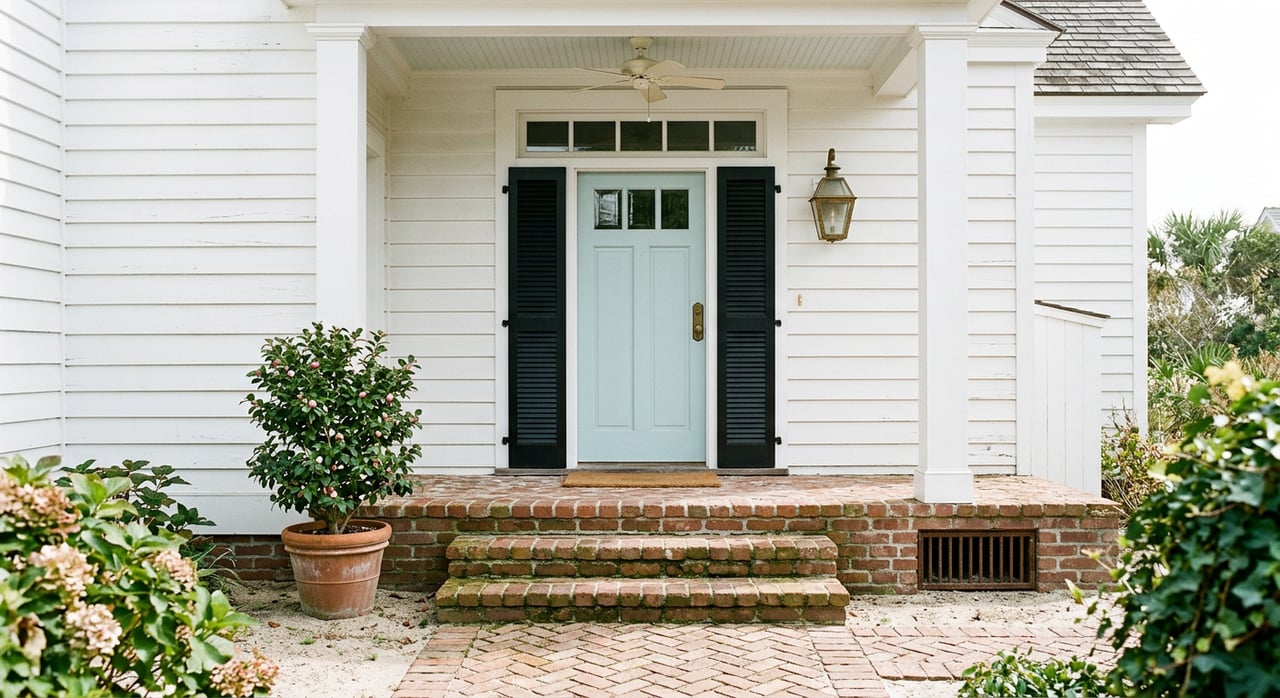
Picture yourself on a shaded porch, watching boats glide along Taylor’s Creek while sea breezes roll in. If you are drawn to Beaufort’s historic charm and coastal lifestyle, you also know buying here takes a bit more homework. This guide gives you clear steps to balance character, water access, and long-term resilience so you can purchase with confidence. Let’s dive in.
Why Beaufort draws buyers
Beaufort is a small, walkable seaport centered around Front Street and Taylor’s Creek. You can stroll to restaurants, shops, and the Beaufort Historic Site, which helps anchor the town’s preserved character and maritime history. Explore the setting to get a feel for the streetscape and scale of homes around downtown by visiting the Beaufort Historic Site overview.
Downtown properties are prized for walkability and water views. Just a few blocks inland, you will find a mix of historic cottages, renovated homes, and newer coastal cottages designed to offer lower maintenance while keeping that in-town convenience. Canal and creek properties nearby often feature small docks or shared slips.
What you can buy and typical price bands
Market metrics vary by source and by whether a home is waterfront or not. Third-party portals often place baseline values for zip code 28516 in the low-to-mid 400 thousand range, while some report recent medians closer to the 500 thousand range. Treat those as ballpark guides and verify current numbers with a local MLS snapshot before you write an offer.
Historic cottages near Front Street
You will see small cottages and plaqued historic homes within the Town’s local historic district. Entry options that need cosmetic work commonly show up around 200 to 450 thousand, depending on size, utilities, and flood zone. Fully renovated cottages close to downtown can land in the mid to upper ranges of that band or higher.
Creek and canal cottages with slips
These homes offer boat access and a classic coastal vibe. Pricing varies based on water depth, dock condition, and elevation. Smaller creekfront cottages have sold in the low-to-mid 300 thousand range in recent years, while larger or deeper-water properties can command much more.
Newer coastal cottage communities
If you want modern systems and less maintenance without giving up walkability, look for newer infill and small “coastal cottage” neighborhoods near town. List prices for new or recently finished cottages often appear in the 450 to 800 thousand range, depending on proximity to downtown and any water access.
Flagship waterfront and Front Street homes
Signature waterfront properties, including some along Front Street, can reach 800 thousand to 2 million plus. Values hinge on lot size, historic significance, private piers, water depth, elevation, and overall condition.
Rules that shape your purchase
Historic district approvals you should know
Beaufort’s Historic Preservation Commission (HPC) oversees exterior changes in the local historic district. Additions, exterior alterations, relocation, or demolition generally require a Certificate of Appropriateness. If you expect to renovate, review the HPC page and plan for timelines and design standards before closing. Start with the Town of Beaufort Historic Preservation Commission.
Flood maps, Coastal A, and V zones
Carteret County and the Town use FEMA flood studies and updated maps. Some areas in the county are being remapped into Coastal A zones, which can carry stricter building standards and influence insurance costs. Always confirm a property’s current flood zone and Base Flood Elevation and ask for an elevation certificate early in due diligence. Use the county’s resource hub at Carteret County Flood Information and discuss how zone changes may affect your plans.
FEMA guidance notes that Coastal A areas, while not officially V zones, can be subject to wave action. Local authorities may recommend V-zone construction practices in these places, including elevated piles and breakaway walls for lower enclosures. That affects cost and feasibility. You can learn more from FEMA’s overview of Coastal A considerations in this case study on Limit of Moderate Wave Action.
Docks, bulkheads, and shoreline permits
Shoreline work and piers on tidal waters usually require CAMA authorizations plus possible federal permits. If a property has a dock or bulkhead, get the permit history and recent repair records. Failing bulkheads can be costly to replace. Review the state’s general permit rules for small structures in coastal waters here: North Carolina CAMA General Permit 15A NCAC 07H.
Nature-based options are increasingly common on the Crystal Coast. Living shorelines, when feasible and permitted, can be more resilient than traditional bulkheads in many settings.
Sea level and high-tide flooding
NOAA’s tide gauge in Beaufort shows a rising sea level trend. This contributes to more frequent nuisance flooding over time and informs insurer and lender evaluations. Keep this long-term context in mind as you weigh elevation, materials, and maintenance budgets. Explore local data at NOAA Tides & Currents, Station 8656483.
Insurance and coverage to budget for
Flood insurance basics
Standard homeowners policies do not cover flood damage. Lenders typically require flood insurance if a home is in a Special Flood Hazard Area. The NFIP is the most common option, and private flood policies may be available. Ask for an elevation certificate and get quotes during your due-diligence period. See the NC Department of Insurance’s consumer guide on flood insurance.
Carteret County participates in FEMA’s Community Rating System, which can provide a modest premium discount for NFIP policies in some areas. Confirm current class and any local credits with the county floodplain office.
Windstorm and hail
In coastal counties, windstorm or wind and hail coverage may be excluded from a standard homeowners policy. The North Carolina Insurance Underwriting Association serves as a wind pool for coastal properties. Named-storm or windstorm deductibles are often percentage-based. Learn the basics and request example deductibles in writing through the NC DOI’s page on windstorm and hail.
Inspections that matter for historic and waterfront homes
For historic cottages
Older framing members and crawlspaces deserve a close look. Inspect sill plates, joists, porches, and any signs of settlement. Mechanical systems may be outdated, and older wiring can raise safety or insurance concerns. Use a North Carolina licensed inspector and be ready to bring in specialists where needed. Review what a state-licensed inspection covers in the NC Home Inspector Standards of Practice.
Lead paint in pre-1978 homes and potential asbestos in older finishes require targeted testing before renovations. Budget time and funds for safe remediation if needed.
For waterfront homes
Evaluate foundations and pilings for scour or corrosion. For docks and bulkheads, ask for permit records, maintenance logs, and recent repair invoices. Salt air accelerates wear on fasteners, HVAC coils, and outdoor equipment, so expect more frequent maintenance and the need for salt-tolerant materials.
Sewer, septic, and utilities
Many in-town homes connect to municipal water and sewer. In the broader county, some properties rely on septic systems and private wells. Confirm utility status early and, if septic, obtain permit history and an evaluation through Carteret County Environmental Health. Start with Carteret County Environmental Health and the Town’s Public Utilities page to verify connections.
Specialty reports to order
- NC-licensed home inspection
- Termite and wood-destroying insect inspection
- Sewer scope for older laterals or if connected to sewer
- Septic evaluation and permit history, if applicable
- Structural engineer, if foundation or major modification issues are suspected
- Marine or structural inspection for piers, docks, and bulkheads
- Lead, mold, and asbestos testing if renovation or health concerns exist
Remote buyer game plan
If you are buying from out of state, build a local team and front-load due diligence. A Beaufort-savvy buyer’s agent can coordinate inspections, pull town and county records, and keep your timeline tight. Use video tours first, then confirm key findings on-site with specialists during your due diligence period.
Ask for these before you write an offer:
- Elevation certificate and any FEMA map-change letters on file
- Prior Certificates of Appropriateness and any historic-district approvals
- Dock, pier, and bulkhead permits plus repair invoices
- Septic permits and maintenance records, if applicable
- Recent inspection reports and any documented flood or insurance claims
These documents help you estimate future insurance costs, renovation feasibility, and any added approvals required by the Town or state agencies. For context on flood zones and local contacts, use Carteret County Flood Information and the Town of Beaufort Historic Preservation Commission.
Due-diligence checklist
- Confirm flood zone and request an elevation certificate. Cross-check with the county floodplain office using Carteret County Flood Information.
- If in the historic district, review the HPC process and design standards, then plan timelines for a COA via the Historic Preservation Commission.
- Order a state-licensed home inspection and schedule specialists right away. Reference scope from the NC Home Inspector Standards of Practice.
- Collect proof of CAMA permits for any pier or bulkhead. Read the state’s general permit rules: 15A NCAC 07H.
- Get early quotes for homeowners, flood, and windstorm coverage. Learn key terms on flood insurance and windstorm and hail.
- Verify utilities with Town Public Utilities and, if septic, obtain records from Carteret County Environmental Health.
- Confirm any easements or riparian rights issues with your attorney.
- Plan an in-person, post-inspection walkthrough with your agent or attorney before closing.
Buying a historic or waterfront home in Beaufort is all about matching your lifestyle goals with the right due diligence. With the proper records, inspections, and insurance planning, you can enjoy porches, views, and boat days with confidence.
Ready to take the next step? Reach out to Linda Folger for local guidance, careful contract management, and a calm, organized path to your Crystal Coast home.
FAQs
What is a Certificate of Appropriateness in Beaufort’s historic district?
- It is a town approval for exterior changes inside the local historic district. The HPC reviews design and materials. Start with the Town’s HPC page to plan timelines.
How can I check a Beaufort property’s flood zone and elevation?
- Ask for the elevation certificate and use county resources at Carteret County Flood Information. Confirm current FIRMs and discuss any pending map changes with the floodplain office.
Do I need flood insurance if my lender does not require it?
- You are not required to carry it outside SFHAs, but coastal properties can still flood. Get quotes and review coverage basics on the NC DOI’s flood insurance page.
Are windstorm or named-storm deductibles standard on the coast?
- Many coastal policies include percentage-based storm deductibles. Ask insurers for examples in writing and review the NC DOI windstorm and hail guidance.
What permits apply to docks or bulkheads on Beaufort’s tidal waters?
- Most shoreline work requires CAMA authorization and sometimes federal permits. Request permit history and review North Carolina’s general permit rules before you buy.
How do I verify if a Beaufort home is on sewer or has a septic system?
- Contact Town Public Utilities for municipal connections. If septic, request permits and maintenance history through Carteret County Environmental Health before closing.