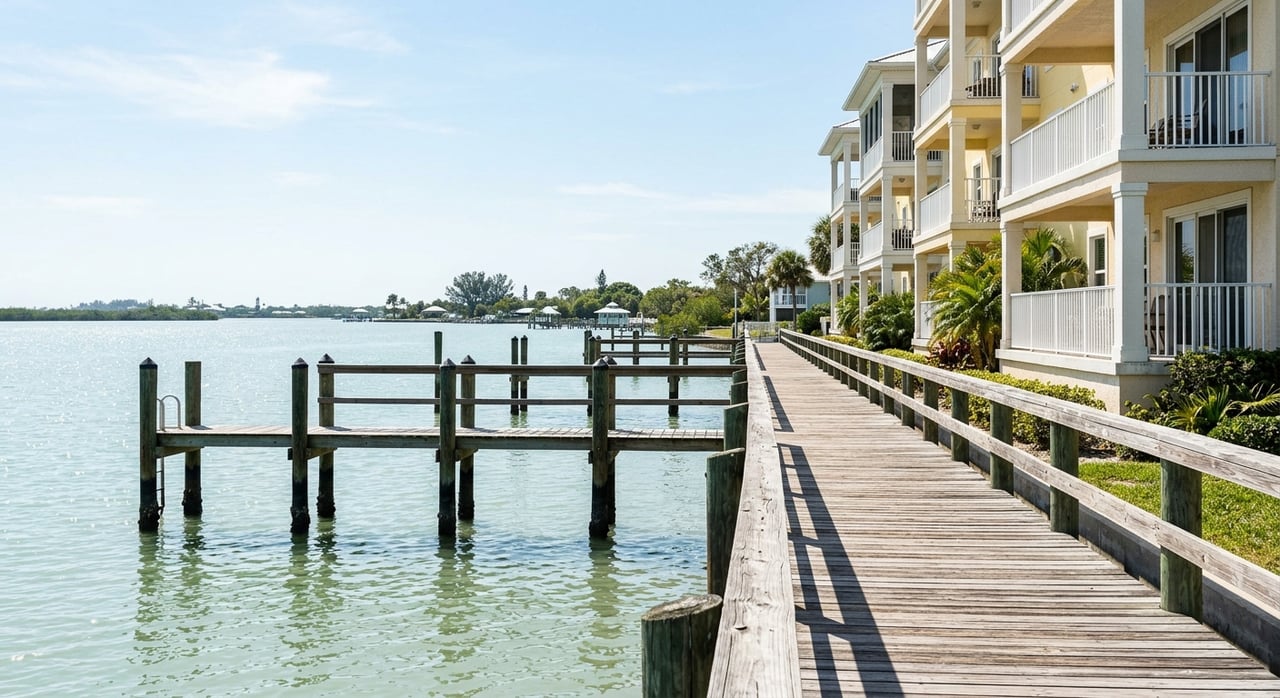
If you are thinking about buying a vacation rental in Atlantic Beach, it helps to know one key truth up front: this is a strongly seasonal market. That can create great summer opportunity, but it also means you need a realistic plan for slower months, local rules, and day-to-day management. In this guide, you will get a clear look at how the Atlantic Beach vacation rental market works, what the numbers suggest, and what to watch before you buy. Let’s dive in.
Atlantic Beach Is a Seasonal Rental Market
Atlantic Beach is not a flat, year-round lodging market. It operates much more like a classic summer beach destination, with activity building in the warmer months and dropping meaningfully in the off-season.
That seasonality shows up in how the town functions. Atlantic Beach runs paid public parking from April 1 through September 30, staffs lifeguards from Memorial Day to mid-August, and says its summer population approaches 50,000. In Carteret County, visitor spending reached $743.38 million in 2024, including $200.12 million in lodging, which helps show how important tourism is to the local economy.
What the Rental Data Shows
The current short-term rental data points to a market with solid summer demand but uneven annual performance. AirROI's 2026 Atlantic Beach dataset shows 563 active listings, average annual revenue of $26,029, 35.5% occupancy, a $300 average daily rate, and $120 RevPAR.
The same data shows an average booking lead time of about 62 days. That means many guests plan ahead, especially for prime summer dates, and owners often need a thoughtful pricing strategy rather than a set-it-and-forget-it approach.
Peak Season Drives Results
In Atlantic Beach, the strongest months are July, June, and August. Those peak months average $6,124 in monthly revenue and 52.9% occupancy.
By contrast, January, February, and March average just $1,588 in monthly revenue and 20.4% occupancy. For you as a buyer, that means annual income is heavily shaped by a relatively short high-demand window.
July Matters More Than February
July is the highest-revenue month in the market, while February is the lowest. That pattern reinforces the idea that this is a summer-led destination, not a market where you should expect steady bookings every month of the year.
If you are evaluating a property as an investment, it is smart to underwrite with off-season softness in mind. Reserve planning and dynamic pricing are especially important here.
Property Types That Fit the Market
Atlantic Beach vacation rentals are mostly whole-home properties, not room-share setups. AirROI reports that 100% of active listings are entire home or entire apartment inventory.
The market is also dominated by condos and houses. Apartments and condos make up 60.9% of listings, while houses make up 38.4%.
Family and Group Travel Shape Demand
The most common inventory in Atlantic Beach tends to suit families and small groups. Two-bedroom listings account for 32.5% of the market, and 3-bedroom-plus properties make up 41.5%.
Six-guest properties are the single most common capacity. That tells you a lot about the likely guest profile: this market is generally geared toward full-home stays for vacationing households or travel groups rather than solo travelers.
Location Within Town Still Matters
Even in a smaller beach town, not every area performs the same way. AirROI identifies eight neighborhood clusters with meaningful short-term rental activity, which suggests that proximity to the beach, local amenities, and street setting can influence results.
For a buyer, this means broad town averages only tell part of the story. Two properties in Atlantic Beach may have very different booking patterns depending on access, layout, and location details.
Understanding Local Rules Before You Buy
One of the most important parts of buying a vacation rental in Atlantic Beach is understanding how state and local definitions differ. In North Carolina, the Vacation Rental Act defines a vacation rental as residential property rented for vacation, leisure, or recreation for fewer than 90 days, and it requires a written vacation rental agreement.
Atlantic Beach uses a different local threshold for short-term rentals. The town distinguishes short-term rentals as fewer than 30 days and further separates partial-house and whole-house short-term rentals.
Why Rule Differences Matter
Because the state and town do not use identical thresholds, you should verify the exact address, intended use, and zoning status before you move forward. This matters even more if you are buying from out of state or comparing Atlantic Beach to another coastal market with different local standards.
A property that seems like a fit at first glance may need a closer review based on how it will actually be used. Clear due diligence upfront can help you avoid expensive surprises later.
Revenue Expectations Should Stay Grounded
Many buyers start with one simple question: how much can a vacation rental in Atlantic Beach make? The best answer is to stay anchored to actual market averages, not broad online promises.
AirROI shows typical annual revenue around $26,029 and median monthly revenue around $2,232. The top 25% of properties bring in $4,099 or more per month, while the top 10% reach $6,674 or more per month.
Averages Are Not Guarantees
Those figures are helpful for understanding the market, but they are not projections for any single property. A condo near beach access may perform very differently from a house on a quieter street, and condition, size, bedroom count, and management quality all play a role.
That is why careful property selection matters so much. In a market like Atlantic Beach, the difference between an average performer and a stronger performer often comes down to fit, positioning, and realistic planning.
Management Is a Big Part of Success
Atlantic Beach does not look like a passive vacation rental market. According to AirROI, 43.9% of listings are professionally managed and 53.3% are run by Superhosts.
That tells you something important. Owners here are often competing in a market where operations, guest communication, cleaning coordination, and pricing execution can influence results in a meaningful way.
Local Support Can Make Ownership Easier
Atlantic Beach also has an established vacation rental ecosystem. The town's lodging directory includes multiple vacation rental agencies, including Bluewater Real Estate and Vacation Rentals, Spectrum Properties Vacation Rentals, and Vacasa Atlantic Beach.
For you, that can be helpful if you want local support instead of handling every detail yourself. It also supports both condo-style and detached-home ownership strategies, since there are established channels already serving the market.
Taxes and Compliance Matter
If you plan to rent your property on booking platforms, tax compliance needs to be part of your business plan. Carteret County says its 6% occupancy tax applies to rentals booked through Airbnb, VRBO, Windu, Rooorama, and similar sites, with filings due monthly.
North Carolina also taxes vacation rentals under state sales tax rules. In practical terms, successful ownership usually means keeping accurate records and making sure tax obligations are handled correctly.
What This Means for Buyers
For many buyers, Atlantic Beach can make sense as a second home with income potential, especially if you like the idea of a coastal property that may help offset ownership costs during the strongest travel months. The market data supports interest in whole-home condos and houses that appeal to family and group travel.
At the same time, this is not a market where you should assume even cash flow all year long. Atlantic Beach works best when you approach it as a summer-weighted coastal asset and build your plan around seasonality, compliance, and strong local execution.
A Smart Buying Approach
If you are considering a purchase, keep these priorities in mind:
- Focus on whole-home condos or houses, since that is what dominates the market
- Review how the property size and layout fit family or group travel
- Underwrite with slower winter months in mind
- Verify the exact zoning status and intended rental use before closing
- Plan for management, guest communication, and maintenance from the start
- Make sure occupancy tax and state tax responsibilities are clearly understood
Why Local Guidance Matters in Atlantic Beach
Vacation rental buying is never just about the list price. In Atlantic Beach, you also need to think through seasonal revenue swings, local definitions, management options, and the practical differences between one property and another.
That is where local guidance can make the process smoother. With boutique, hands-on support and local Crystal Coast market knowledge, Linda Folger helps buyers look beyond the headline numbers and focus on fit, risk, and long-term usability.
If you are comparing condos, weighing a second home against an investment property, or trying to understand how Atlantic Beach fits into your Crystal Coast plans, Linda Folger can help you move forward with clarity.
FAQs
What makes the Atlantic Beach vacation rental market different from a year-round rental market?
- Atlantic Beach is strongly seasonal, with the highest revenue in summer and much softer performance in the winter months.
What is the average vacation rental income in Atlantic Beach, NC?
- AirROI reports average annual revenue of $26,029 and median monthly revenue of $2,232, but actual results vary by property and management.
What types of vacation rentals are most common in Atlantic Beach?
- The market is mostly whole-home condos and houses, with condos and apartments making up 60.9% of listings and houses making up 38.4%.
What rules apply to short-term rentals in Atlantic Beach?
- North Carolina defines vacation rentals as stays of fewer than 90 days and requires a written vacation rental agreement, while Atlantic Beach defines short-term rentals as fewer than 30 days and separates partial-house and whole-house rentals.
What taxes should Atlantic Beach vacation rental owners expect?
- Carteret County applies a 6% occupancy tax to qualifying rentals booked through major platforms, and North Carolina also taxes vacation rentals under state sales tax rules.
Is professional property management common for Atlantic Beach vacation rentals?
- Yes. AirROI reports that 43.9% of listings are professionally managed, which suggests many owners rely on active local support rather than self-managing everything.